A science-backed guide to nutrient-rich foods that support healthy aging, skin health, muscle maintenance and long-term wellbeing.
What you eat cannot stop the aging process — but nutrition can play an important role in how well your body ages.
A nutrient-dense diet rich in antioxidants, omega-3 fatty acids, high-quality protein, fiber, vitamins, minerals and colorful plant foods can support healthy aging, skin health, muscle maintenance and overall wellbeing.
Rather than searching for one miracle “anti-aging” ingredient, focus on building a dietary pattern that consistently gives your body the nutrients it needs.
Here are 8 of the best anti-aging foods for women to incorporate into a balanced, longevity-focused diet.
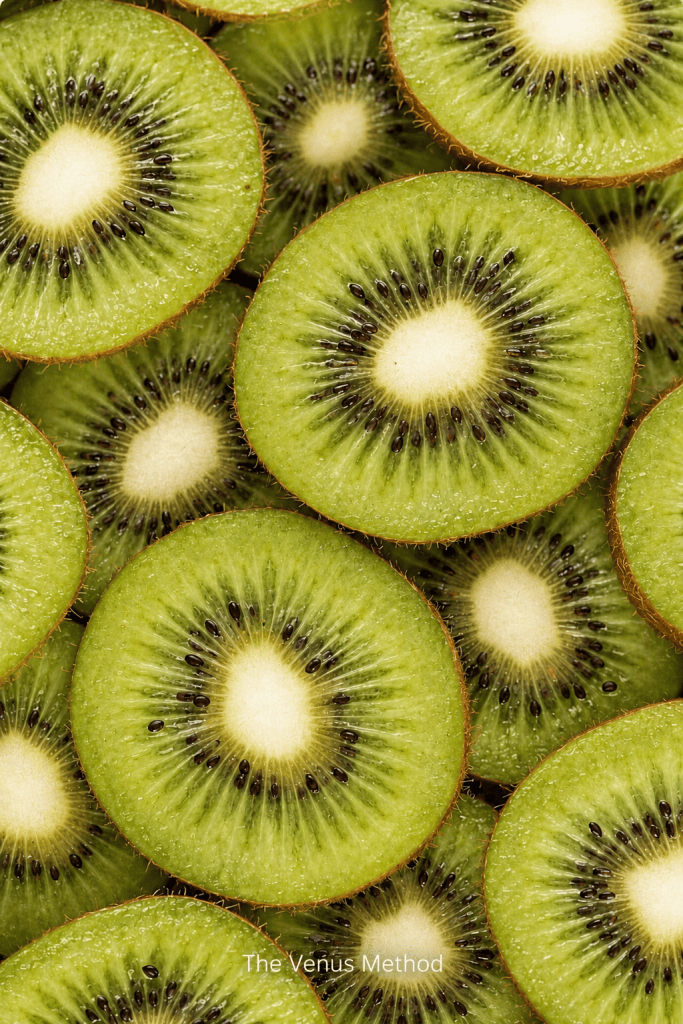
1. Kiwi: Vitamin C for Collagen and Skin Health
Kiwi is one of the most vitamin C-rich fruits you can easily add to your diet.
Vitamin C acts as an antioxidant and contributes to normal collagen formation, making vitamin C-rich foods particularly relevant when talking about nutrition for healthy skin.
Kiwi also provides fiber, vitamin K, vitamin E and a variety of beneficial plant compounds.
Why kiwi is a healthy-aging food
- Rich in vitamin C
- Supports normal collagen formation
- Provides antioxidants
- Contains dietary fiber
- Easy to incorporate into breakfast or snacks
Pair kiwi with Greek yogurt, chia seeds or nuts for a more balanced meal or snack.
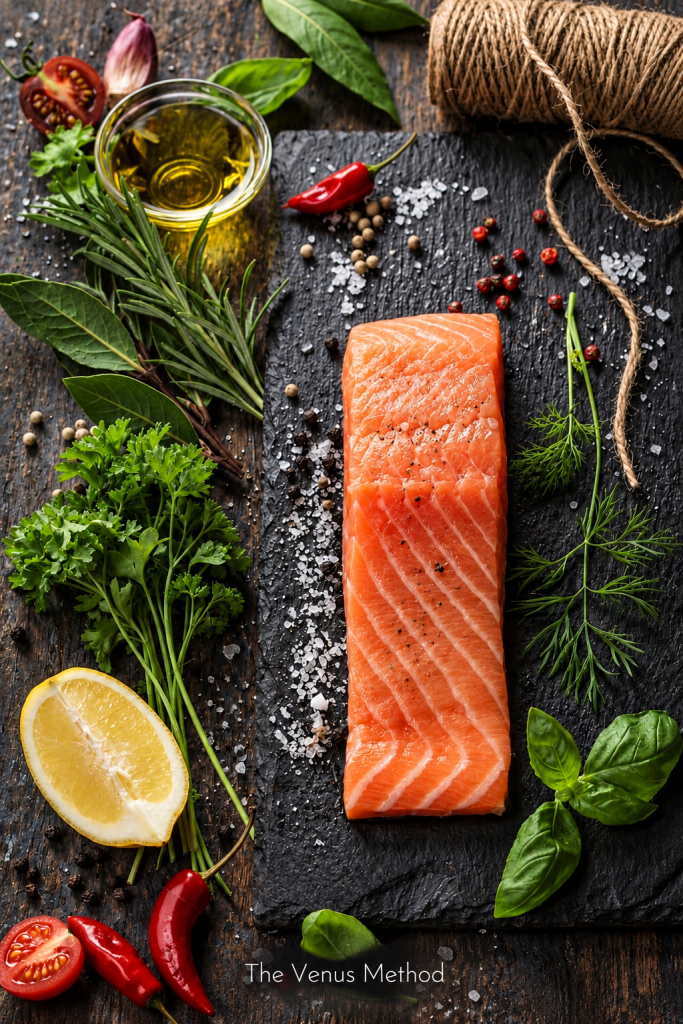
2. Salmon: Omega-3 Fatty Acids and High-Quality Protein
Salmon deserves a place on almost any list of foods for healthy aging.
It is rich in the long-chain omega-3 fatty acids EPA and DHA and provides complete, high-quality protein.
Maintaining adequate protein intake becomes particularly important with age because protein contributes to the maintenance and growth of muscle mass.
Salmon also provides vitamin B12, selenium and, depending on the variety, vitamin D.
Why salmon supports healthy aging
- Rich in EPA and DHA omega-3s
- Provides high-quality complete protein
- Supports maintenance of muscle mass
- Contains selenium and vitamin B12
- Fits naturally into a Mediterranean-style eating pattern
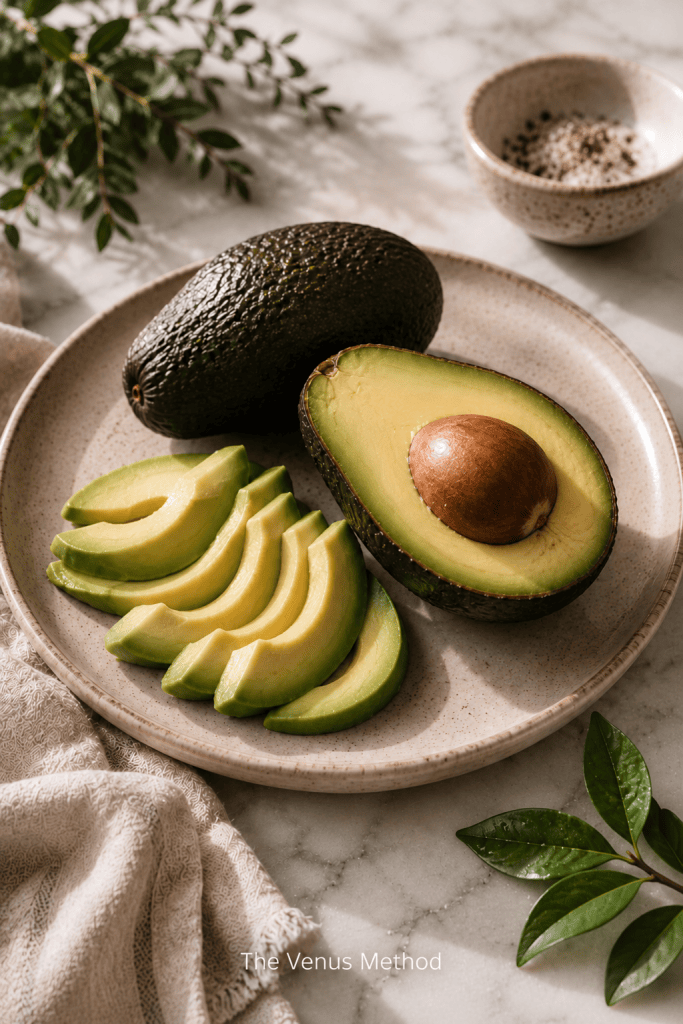
3. Avocado: Healthy Fats, Vitamin E and Fiber
Avocados combine monounsaturated fats, fiber, potassium, folate and vitamin E in one nutrient-dense food.
Unsaturated fats are an important part of a balanced diet and can replace foods containing larger amounts of saturated fat.
Vitamin E also functions as an antioxidant, while fiber contributes to normal digestive function.
Why avocado belongs in an anti-aging diet
- Rich in monounsaturated fats
- Provides vitamin E
- Contains potassium and folate
- Good source of dietary fiber
- Helps create satisfying, nutrient-dense meals
Try avocado alongside eggs, vegetables, whole grains or a protein-rich salad rather than thinking of it as a standalone “superfood.”
4. Sweet Potatoes: Beta-Carotene for Skin and Overall Health
The vibrant orange color of sweet potatoes comes largely from beta-carotene, a carotenoid that the body can convert into vitamin A.
Vitamin A contributes to the maintenance of normal skin and normal immune-system function.
Sweet potatoes also provide fiber, potassium and vitamin C, making them an excellent nutrient-dense carbohydrate source.
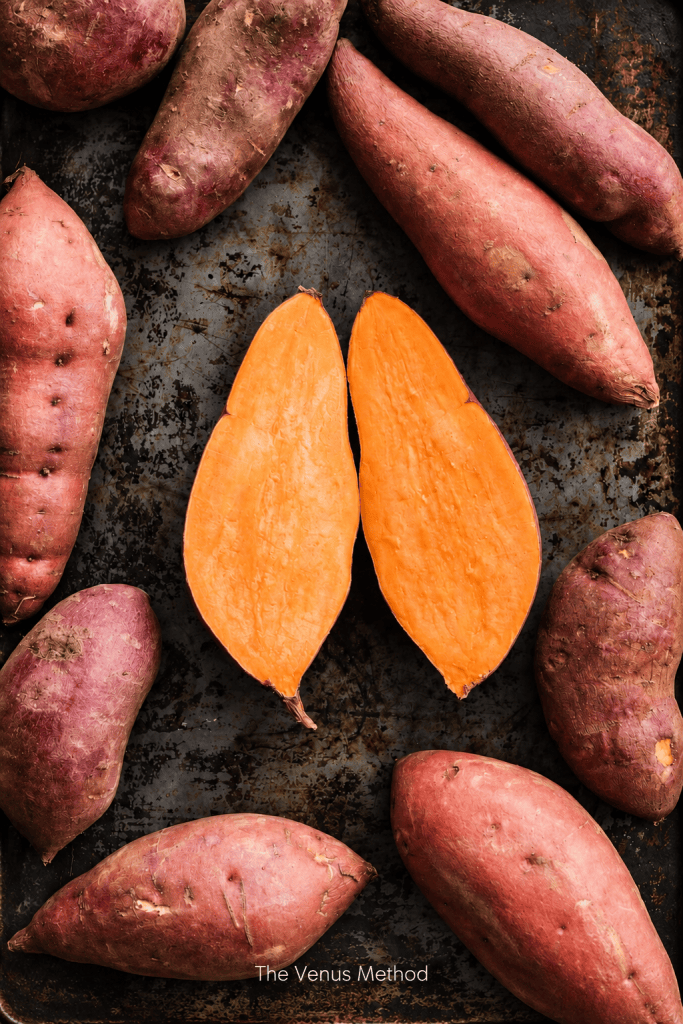
Healthy-aging benefits of sweet potatoes
- Rich in beta-carotene
- Source of vitamin A precursors
- Provides fiber
- Contains potassium and vitamin C
- Supports a colorful, plant-rich diet
Purple sweet potatoes offer another advantage: their color comes from anthocyanins, the same broad family of antioxidant pigments found in many blue and purple plant foods.
5. Blueberries: Antioxidant-Rich Berries
Blueberries are among the most recognizable antioxidant-rich foods.
Their blue-purple color comes primarily from anthocyanins, a group of polyphenol plant compounds.
They also provide vitamin C, vitamin K, manganese and dietary fiber.
Rather than viewing blueberries as a magic longevity food, consider them part of a broader strategy: regularly eating a wide variety of deeply colored fruits and vegetables.
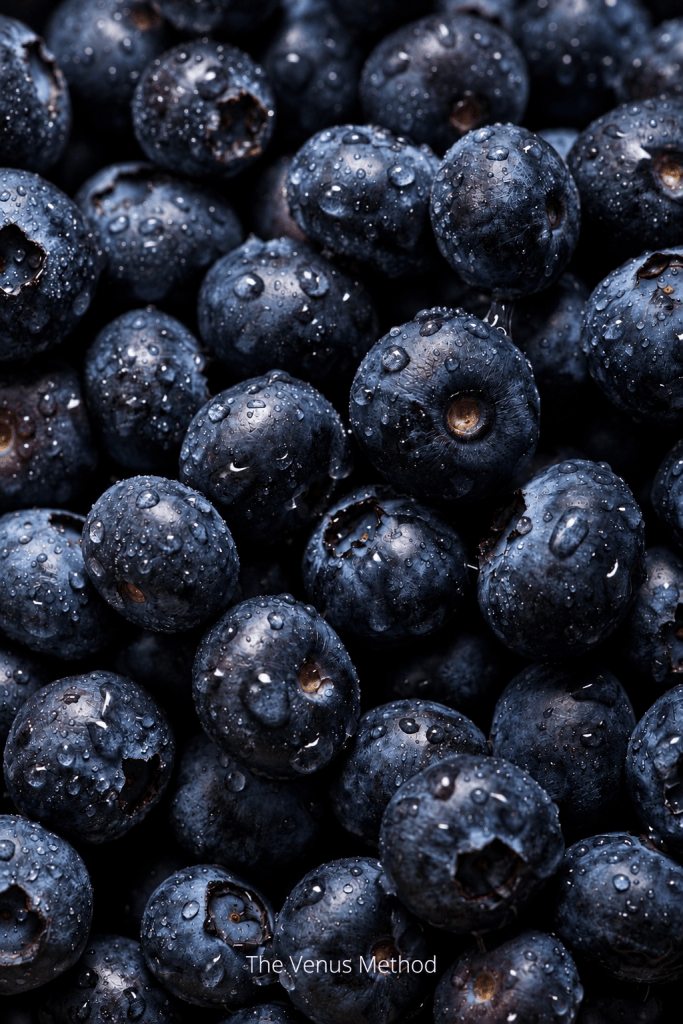
Why blueberries are good for healthy aging
- Rich in anthocyanins
- Provide antioxidant plant compounds
- Source of fiber
- Contain vitamin C and vitamin K
- Easy to combine with other nutrient-dense foods
Add them to Greek yogurt, oatmeal, chia pudding or smoothies, or simply eat them fresh.
6. Dark Chocolate: Cocoa Polyphenols
Dark chocolate may sound like an unusual addition to an anti-aging food list, but cocoa naturally contains flavanols and other polyphenols.
The nutritional profile varies considerably between chocolate products, so look for dark chocolate with a high cocoa content rather than products dominated by added sugar.
Dark chocolate can also provide minerals such as magnesium and iron.
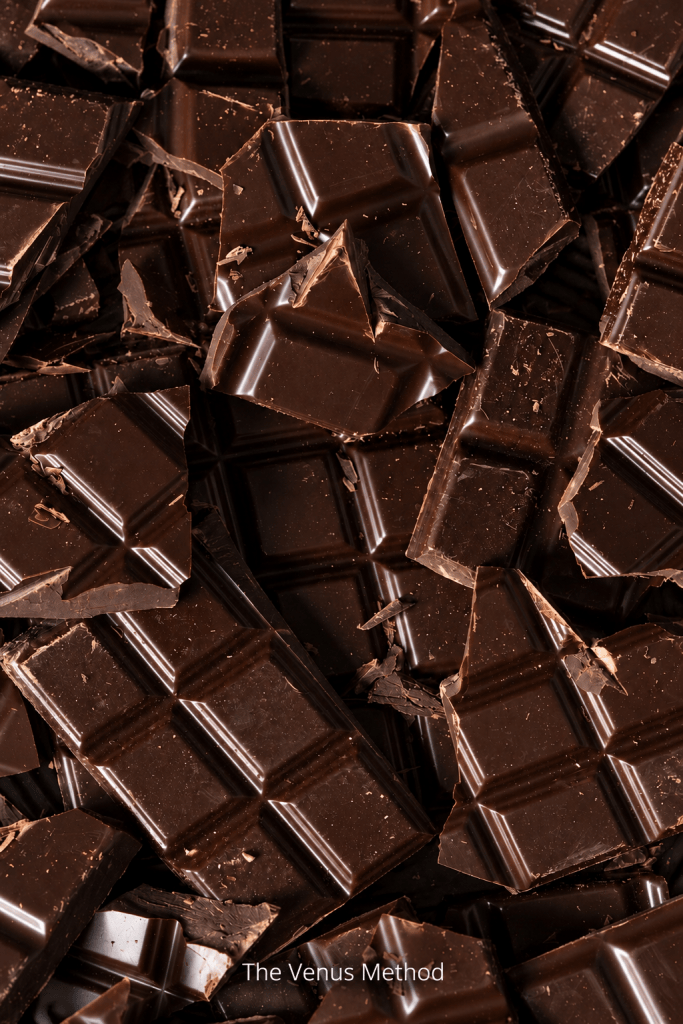
Why choose dark chocolate
- Cocoa contains flavanols
- Provides polyphenol plant compounds
- Can contribute magnesium and iron
- Makes a satisfying addition to a balanced diet
The important word here is balance. Dark chocolate can complement a healthy diet; it does not need to be eaten in large quantities to provide enjoyment or nutritional value.
7. Walnuts: Plant-Based Omega-3s
Walnuts stand out among nuts because they contain alpha-linolenic acid (ALA), an essential plant-based omega-3 fatty acid.
They also provide unsaturated fats, fiber, protein, minerals and polyphenols.
Nuts are easy to incorporate into a healthy-aging eating pattern because a small amount can add significant nutrient density to yogurt, oatmeal, salads or snacks.
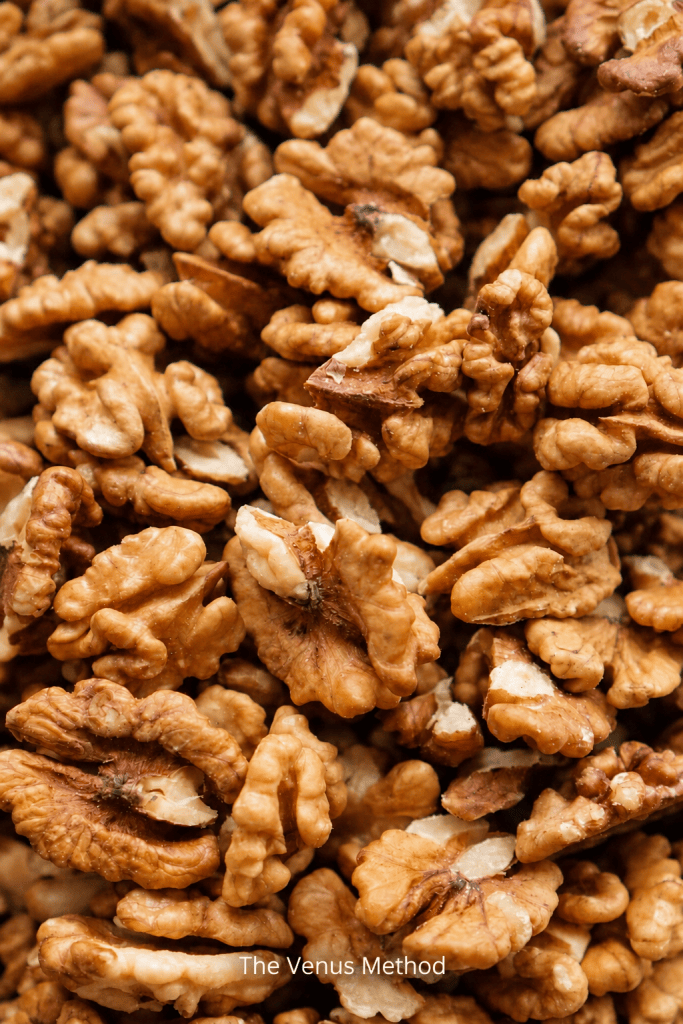
Why walnuts are a longevity-friendly food
- Source of plant-based omega-3 ALA
- Rich in unsaturated fats
- Provide fiber and protein
- Contain polyphenols
- Convenient and nutrient-dense
8. Broccoli: Cruciferous Vegetables and Sulforaphane
Broccoli is a cruciferous vegetable rich in vitamin C, vitamin K, folate, fiber and carotenoids.
Cruciferous vegetables also contain naturally occurring glucosinolates. When these compounds are broken down, they can form biologically active compounds including sulforaphane, which has become an important subject of nutrition research.
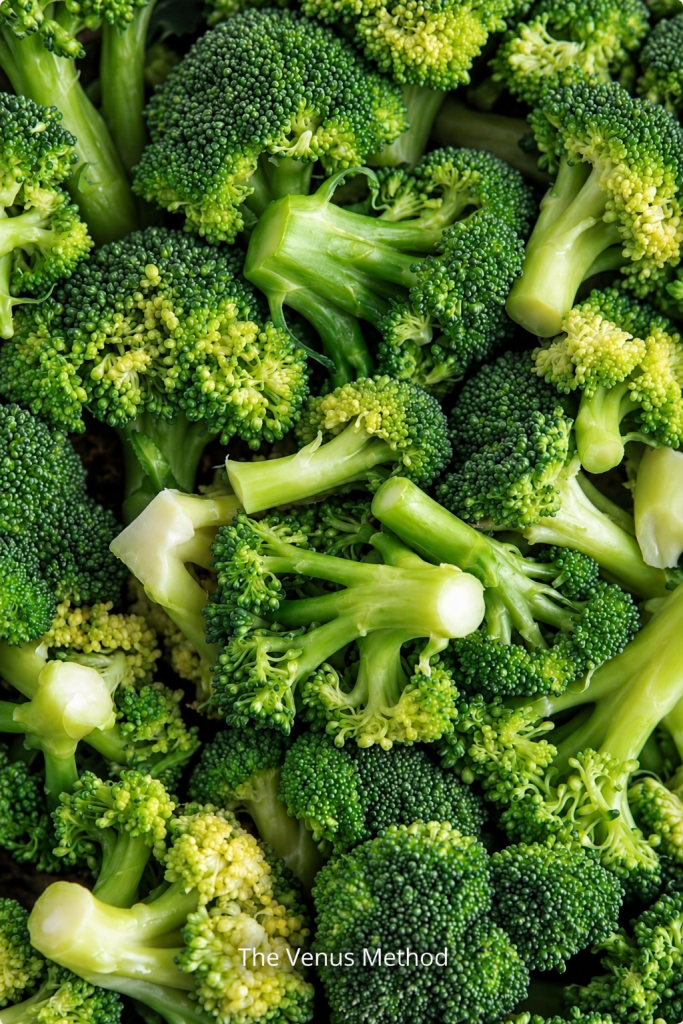
Why broccoli supports a healthy-aging diet
- Rich in vitamin C
- Provides vitamin K and folate
- Contains dietary fiber
- Contains glucosinolates
- Helps increase vegetable diversity
Broccoli doesn’t have to work alone. Rotate it with cauliflower, Brussels sprouts, cabbage, kale and other cruciferous vegetables.
More Foods to Add to a Healthy-Aging Diet
These eight foods are a strong starting point, but healthy aging depends on your overall dietary pattern.
Other nutrient-dense foods worth incorporating include tomatoes, pomegranate, extra virgin olive oil, leafy greens, eggs, legumes, fermented foods, herbs, spices and other colorful fruits and vegetables.
One useful principle is simple:
Eat a variety of colors, prioritize adequate protein, choose high-quality fats and make fiber-rich plant foods part of your everyday diet.
Are There Really “Anti-Aging Foods”?
The term anti-aging food is useful for describing nutrient-rich foods associated with healthy dietary patterns, but no individual food can stop or reverse biological aging.
Healthy aging is influenced by many factors, including nutrition, physical activity, sleep, stress, genetics and lifestyle.
Nutrition matters because the body continuously needs protein, essential fatty acids, vitamins, minerals and other nutrients to maintain normal physiological functions.
The most effective strategy isn’t searching for one superfood.
It’s creating a consistent, nutrient-dense eating pattern.
How to Build an Anti-Aging Plate
Instead of obsessing over individual ingredients, build meals around several nutritional foundations:
Protein: fish, eggs, Greek yogurt, poultry, legumes or other quality protein sources.
Colorful plants: berries, kiwi, broccoli, leafy greens, tomatoes, peppers and other fruits and vegetables.
Healthy fats: avocado, walnuts, extra virgin olive oil, seeds and oily fish.
Fiber-rich carbohydrates: vegetables, legumes, fruit and minimally processed whole-grain foods when appropriate for your diet.
Combining these food groups gives you far more nutritional value than relying on any single “anti-aging” ingredient.
The Bottom Line: Eat for Healthy Aging, Not Perfection
The best anti-aging foods aren’t exotic supplements or expensive wellness trends.
Many of them are ordinary whole foods: salmon, berries, kiwi, avocado, broccoli, walnuts, sweet potatoes and high-cocoa dark chocolate.
Their value comes from the nutrients they contribute to the bigger picture.
Healthy aging is built through consistency.
Choose foods that nourish your body, maintain adequate protein intake, eat plenty of colorful plants and prioritize nutrient quality over dietary perfection.
Your everyday eating pattern matters far more than any single superfood.
© Kamilla Csigásd ✦ The Venus Method — All Rights Reserved
The Venus Method™ — Body • Soul • Psyche


Vélemény, hozzászólás?